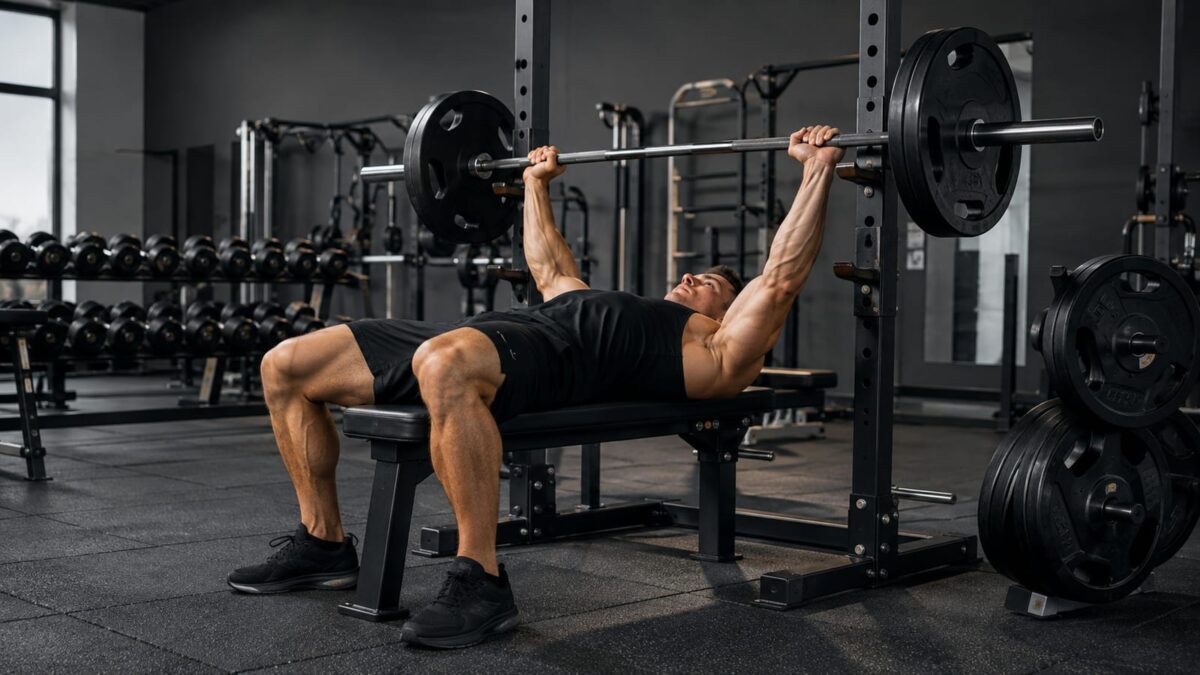
How to Train Like Chris Evans Without Copying His Schedule

 0
0
 0
0 The best Chris Evans workout isn’t a celebrity trick. It’s a simple muscle-building plan built around compound lifts, extra chest and shoulder work, enough food, and effort you can recover from. Copy the training principles, not a film star’s schedule. Your plan has to fit your week, your joints, and your current strength.
Last updated: 2026-08-17
Chris Evans trained for a role, not a lifelong strength test. As a result, that changes the standard. You need steady progression, repeatable technique, and enough recovery to earn the next increase.
What did the Chris Evans workout aim to achieve?
The goal was a larger, leaner, more athletic upper body. Captain America needed visible chest, shoulders, arms, and back, but the training still had to support movement and conditioning.
The wrong approach is chasing novelty because the target looks impressive. New exercises don’t build muscle by themselves. Productive sets, enough food, and months of measurable progression do.
Building size before leaning out matters because muscle takes time to add. If you start by cutting calories hard, you may look smaller without creating the shape you want. Build gradually, then reduce body fat later if needed.
That approach also limits unnecessary fat gain. A huge calorie surplus may move the scale faster, but it doesn’t turn every extra meal into muscle. Your waistline gets a vote too.
A Captain America-style result usually requires:
- More muscle in the chest, shoulders, back, arms, and legs
- Enough strength to handle demanding compound lifts
- Conditioning that doesn’t interfere with recovery
- A later fat-loss phase to reveal the muscle
- Consistent sleep and food during the whole process
The film result also benefited from professional support, controlled scheduling, and a short-term deadline. You should borrow the structure, not pretend those conditions don’t matter.
The Chris Evans workout routine and weekly structure
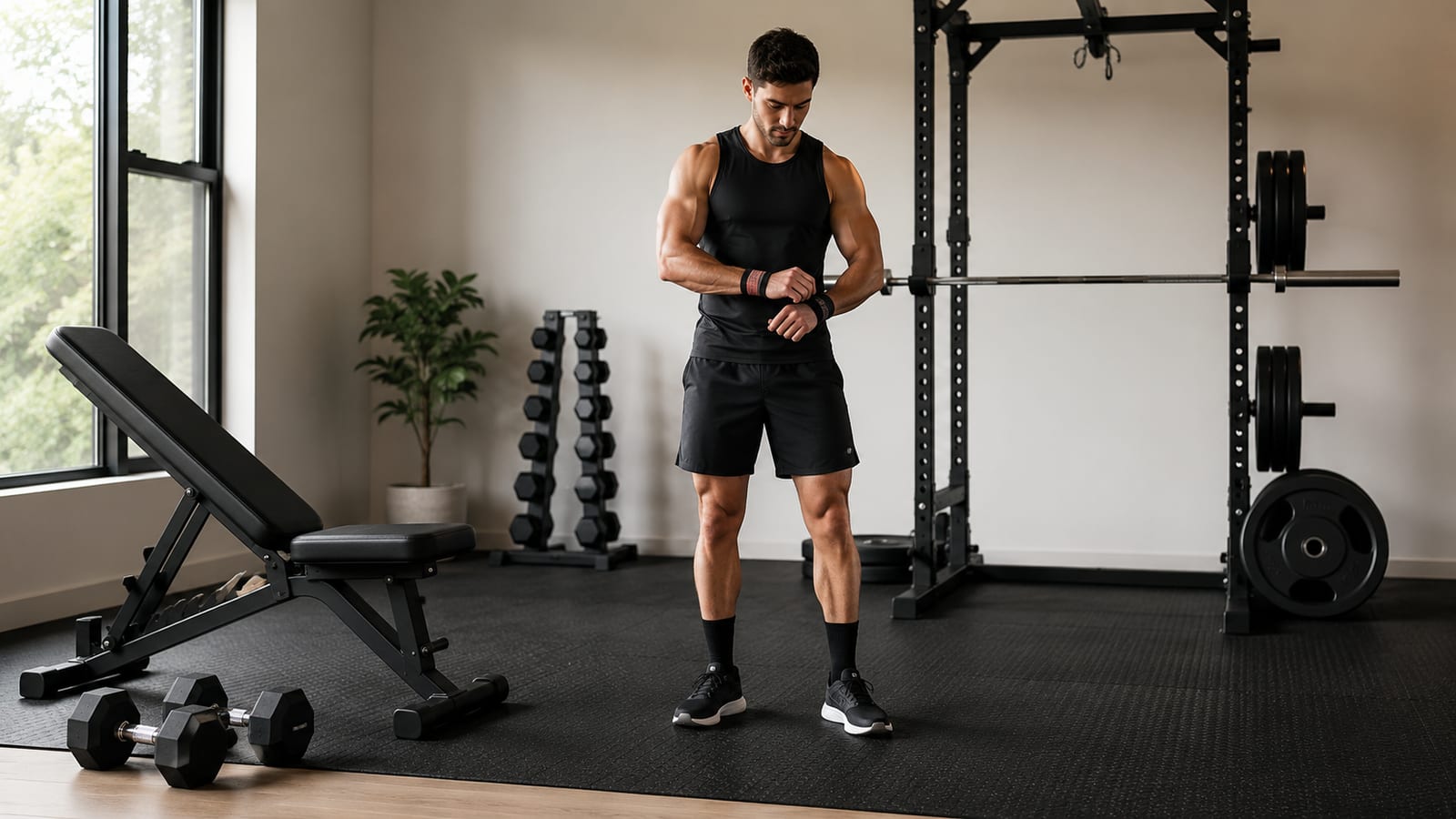
A practical routine uses upper-body emphasis, lower-body training, and regular conditioning. However, the exact routine Chris Evans used for every film session isn’t reliably established, so don’t treat internet exercise lists as official records.
For a natural lifter, this weekly structure works better:
| Session | Main focus | Training goal |
|---|---|---|
| A | Chest, shoulders, triceps | Pressing strength and upper-body size |
| B | Legs, back, core | Full-body strength and balance |
| C | Rest or easy conditioning | Recover and keep moving |
| D | Back, chest, shoulders, arms | Upper-body volume and quality reps |
| E | Legs, carries, conditioning | Lower-body strength and athletic work |
| Remaining days | Rest or light activity | Recover and come back stronger |
You can run this as three sessions by rotating the workouts. Four sessions give you more room for direct arm, shoulder, and back work.
Keep each workout focused. Most sessions should stay within a manageable training window if you stop treating every exercise as mandatory.
Use this exercise order:
- Warm up and prepare the joints.
- Perform the main compound lift.
- Add a second large movement.
- Train the target muscle with controlled accessories.
- Finish with core or conditioning if recovery allows.
Start most exercises with a few working sets. Use a moderate rep range for compounds and higher repetitions for smaller, stable movements such as curls, lateral raises, and cable work.
Leave a small number of clean reps in reserve on most sets. The goal is hard enough to count without turning every workout into a recovery problem.
A realistic gym routine for a busy lifter
A realistic Chris Evans gym routine needs fewer exercises than the internet usually shows. Use one main movement for each pattern, then add only what the session still needs.
Workout A: pressing and upper body
- Barbell or dumbbell bench press
- Incline dumbbell press
- Seated shoulder press
- Cable or dumbbell lateral raise
- Triceps pressdown
- Plank or dead bug
Workout B: legs and back
- Squat or leg press
- Romanian deadlift
- Pull-up or pulldown
- Chest-supported row
- Calf raise
- Hanging knee raise
Workout C: upper-body emphasis
- Incline barbell or dumbbell press
- One-arm dumbbell row
- Machine chest press or push-up
- Rear-delt raise
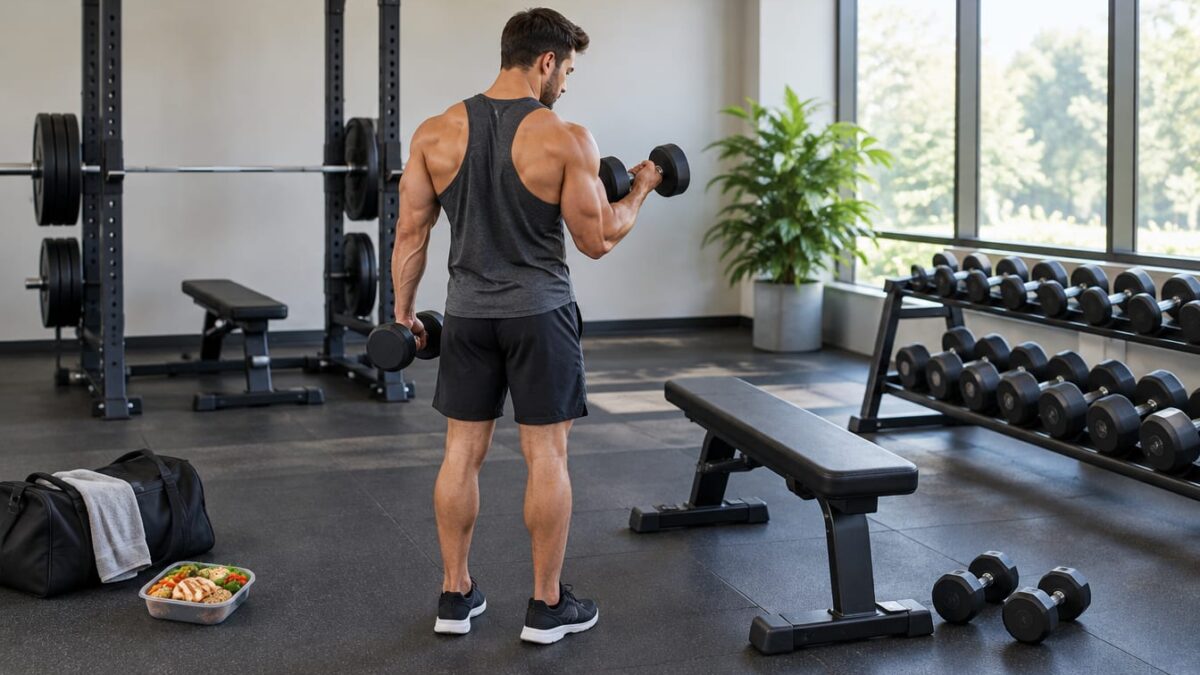
- Dumbbell curl
- Overhead triceps extension
Workout D: lower body and conditioning
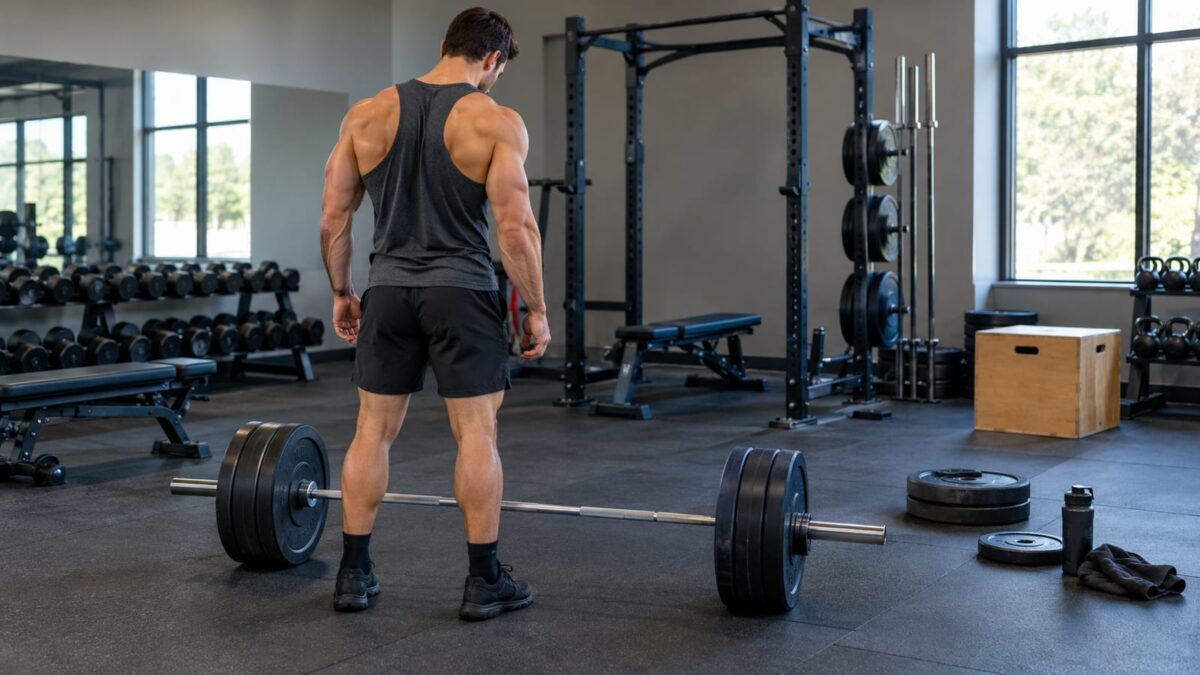
- Deadlift variation or hip thrust
- Split squat
- Hamstring curl
- Cable row
- Farmer carry
- Easy sled work or short intervals
Perform the first two movements with serious focus. Use a couple of working sets for most other exercises. If time is tight, remove the final isolation movement before you rush the main lift.
Progress by adding a rep within your chosen range. Once every set reaches the top of that range with stable form, add a small amount of weight and build back up.
That is progressive overload. You can read more about the idea in this progressive overload explanation, but the useful rule is simple: change one variable and track it.
Training standards that make the plan work
The useful part of Chris Evans gym training is the movement selection, not the celebrity label. Presses, rows, squats, hinges, carries, and controlled isolation work cover most of what you need.
Warm up with easy versions of the movements you’ll train. Use lighter sets to practice the path, brace your trunk, and find the range of motion your joints can control.
Then use these standards:
- Keep the same setup from set to set.
- Lower the weight under control.
- Use a full range you can own.
- Stop if the target movement turns into a different movement.
- Add load only after your reps look the same.
- Keep a logbook.
Don’t force a deep range of motion that causes joint pain. Your joints get a vote, and pain is not proof that a set is productive.
The same rule applies to intensity. Most working sets should finish with one to three clean reps left. You can push a safe isolation exercise closer to failure, but heavy squats, deadlifts, and presses don’t need ugly final reps.
What should a Chris Evans training program include?
A complete program needs more than chest and arms. The superhero look comes from proportions, and your legs and back provide much of the structure.
Chest
Use a flat press and an incline press. Add a stable fly or machine press if your shoulders tolerate it.
The incline angle should let your upper chest work without turning the exercise into a shoulder press. If your shoulders take over, lower the angle and improve your setup.
Back
Include both a vertical pull and a row. Pull-ups, pulldowns, cable rows, and chest-supported rows are all useful.
A wide back improves your upper-body shape and supports pressing strength. Don’t skip rows because they look less impressive than a heavy bench press.
Shoulders
Train the front delts through pressing, then give more direct work to the side and rear delts. Lateral raises and rear-delt raises are simple, effective choices.
Use controlled reps. Swinging heavier dumbbells only trains your ability to swing heavier dumbbells.
Legs
Use one knee-dominant lift and one hip-dominant lift. Squats, leg presses, split squats, Romanian deadlifts, and hip thrusts cover the basics.
Your legs don’t need to copy a professional athlete’s workload. They need enough productive sets to improve while leaving you able to train again.
Arms
Curls and triceps extensions work well after pressing and pulling. Use them to add volume without making every session longer.
Superset arms if time is tight. Don’t superset heavy squats with anything. Save your attention for the lift that demands it.
Core
Use exercises that resist movement, such as planks, dead bugs, carries, and controlled knee raises. A strong trunk helps you transfer force during presses, squats, and pulls.
Skip endless crunches if they irritate your back. More repetitions won’t fix a poor exercise choice.
Conditioning
Use low-impact work for general fitness. Add carries, sled pushes, cycling, rowing, or short intervals based on your recovery.
Conditioning should support your lifting. If your leg strength drops and your next workout suffers, reduce the conditioning before cutting the productive strength work.
The chest session worth copying
The best Chris Evans chest workout to copy is a focused pressing session with one heavy lift, one incline movement, and one controlled accessory. More exercises would only help if you can recover from them and progress them.
Use this session:
- Bench press: a few working sets in a moderate rep range
- Incline dumbbell press: a few controlled sets
- Machine chest press or weighted push-up: moderate-to-high repetitions
- Cable fly: higher repetitions with a slow return
- Optional triceps pressdown: a couple of focused sets
Rest long enough to repeat quality reps. Take more rest after the first press and less after stable accessory work.
Keep your shoulder blades controlled, your feet planted, and your elbows in a comfortable path. Don’t bounce the bar or turn every set into a test of survival.
Progress the first two exercises through reps before adding weight. For flyes and machine work, use the load that lets your chest work without shortening the range.
If your pressing stalls, check sleep, food, and shoulder position before adding another chest exercise. More work is not the first answer.
Adapting the plan for natural lifters

Chris Evans musculation should be treated as basic resistance training with a film-specific goal. A natural lifter doesn’t have the same schedule, support team, or recovery resources as an actor preparing for a production.
Start with a manageable weekly workload. Train each major muscle often enough to practice the lifts, but not so often that your performance drops.
Prioritize:
- Compound lifts with stable technique
- Direct chest and shoulder work
- Enough back and leg training for balance
- Moderate conditioning
- Adequate protein and total food
- Sleep you can repeat
- A logbook that shows progress
You don’t need advanced methods at the start. Drop sets, forced reps, dramatic tempos, and endless supersets are poor substitutes for good reps and steady loading.
A beginner should use lighter weights and leave more reps in reserve. Learn the movement first. If your reps look different each week, adding plates only makes the mistake heavier.
For a broader beginner plan, use this newbie muscle gains guide. If your schedule is tight, the full-body workout three times a week is often the better starting point.
How much can Chris Evans bench?
There is no reliably verified public number that proves how much Chris Evans can bench press. Internet guesses are still guesses, even when they appear beside a dramatic photo or a confident headline.
You don’t need his bench press number to build a strong chest. Track your own load, repetitions, technique, and range of motion instead.
A useful personal benchmark is a bench press you can perform for repeated clean sets without pain or form breakdown. Then add a small amount only after you reach the top of your chosen rep range.
Your bench should also match your structure and training history. A strong bench does not require a particular body weight, arm length, or celebrity comparison.
Chris Evans’s exact bench press is not reliably established. Build your own number through repeatable technique, steady progression, and enough recovery to train the lift again.
Training frequency for your own schedule
Reports about film preparation often describe frequent training, but those schedules shouldn’t become your default. Professional actors may have more time, daily support, and fewer competing demands.
You can build substantial muscle with focused gym sessions each week. Daily training is optional, not a requirement.
Choose three sessions if:
- Your work schedule changes often.
- You’re new to structured lifting.
- Recovery is limited.
- You want each workout to cover the whole body.
Choose four sessions if:
- You can protect all four days most weeks.
- You want more direct shoulder, arm, or back work.
- Your sessions become too long with full-body training.
- Your sleep and food are already consistent.
A missed plan loses more weekly work than a completed plan. Pick the split your calendar can keep.
Eating and recovery for a lean superhero physique

Start with enough food to support training and gradual muscle gain. If your body weight and gym performance never move, you may not be eating enough to build effectively.
Favor protein at each meal. Add carbohydrates around training so you can perform hard sets, and include fats for general health and meal satisfaction.
Don’t turn the gaining phase into a free-for-all. A large surplus can add body fat faster than it adds muscle. Keep the increase controlled, watch your waist, and adjust if the scale rises without better training performance.
After building muscle, use a measured fat-loss phase. Reduce food gradually enough to preserve strength and training quality.
Sleep is part of the program. Poor sleep makes hard sessions feel harder, reduces concentration, and can leave you adding fatigue instead of muscle.
Use the World Health Organization’s physical activity guidance for the wider health picture, but don’t confuse general activity targets with a bodybuilding program. Your lifting still needs progression and recovery.
Conditioning that belongs alongside gym training
Use conditioning that trains your heart and work capacity without wrecking your next lifting session. Carries and sled work are strong choices because you can control the effort and stop before technique falls apart.
Good options include:
- Farmer carries
- Sled pushes
- Sled drags
- Rowing intervals
- Cycling intervals
- Brisk walking
- Controlled kettlebell circuits
Clean-and-jerk variations can build power, but they demand good coaching and repeatable technique. Don’t add them because they look athletic. Add them only if you can learn the lift safely and recover from it.
Keep hard intervals away from your heaviest leg session. Easy conditioning can sit after lifting or on a rest day.
If your squat, deadlift, or leg press performance falls for several sessions, conditioning is taking too much. Reduce the intensity before removing the strength work that builds your physique.
Realistic results from this workout
You can expect better strength, more visible muscle, and improved work capacity from a consistent plan. You should not expect a film-ready transformation on a celebrity timeline.
Muscle gain is slow after the beginner stage. Early progress may come quickly because you’re learning the lifts, but later increases require patience and careful training.
Your chest and shoulders may look fuller before your whole physique changes. Meanwhile, your back and legs often take longer to notice because you can’t judge them as easily in the mirror.
Body fat can rise during a muscle-building phase. That isn’t automatically a problem, but uncontrolled gain makes the later cut longer and harder.
Use these markers:
- Your logbook shows more reps or load.
- Your technique stays stable.
- Your measurements improve over time.
- Your body weight changes in the direction you chose.
- Your recovery remains good enough for the next session.
- Your clothes fit differently in the areas you’re training.
If none of those markers improve after several weeks, check the basics first. Review food, sleep, exercise selection, effort, and whether you’re actually completing the plan.
The best result is a physique you can maintain after the role, deadline, or novelty ends. Sustainable progress beats a short burst that leaves you injured and starting over.
FAQ
Did Chris Evans use a personal trainer?
He reportedly had professional guidance during preparation for his superhero roles, but the exact details of his complete training setup aren’t consistently documented. You can still use the same broad principles without copying a private film schedule.
Can you follow this plan at home?
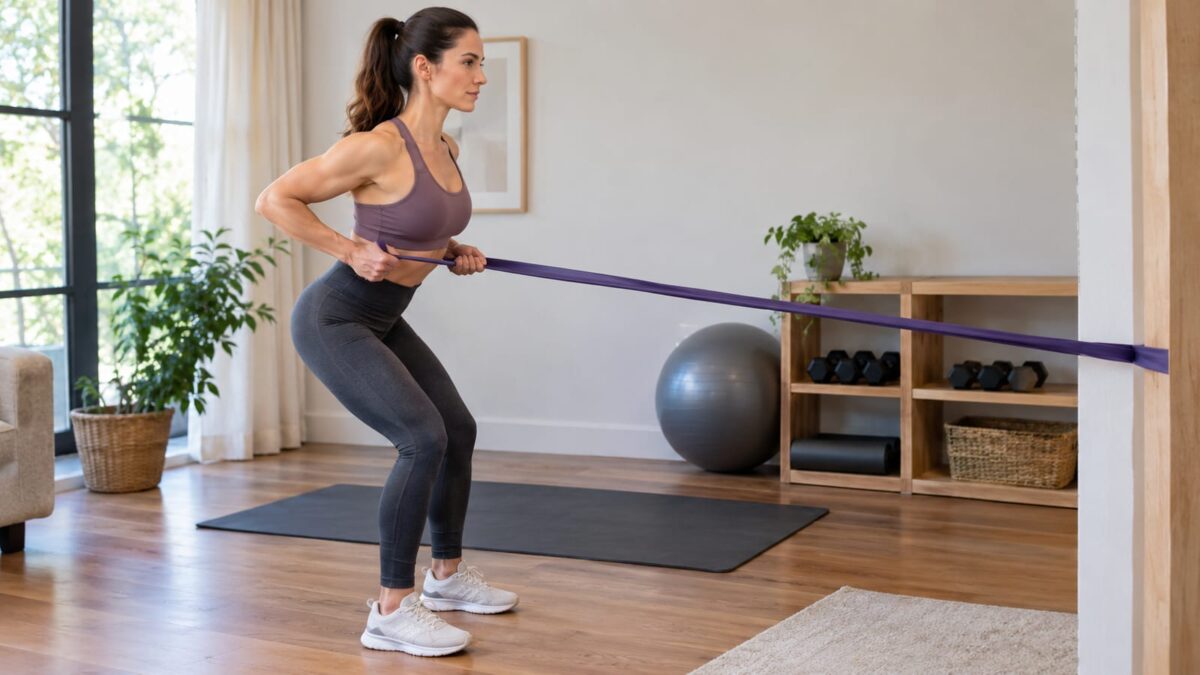
Yes, if you have enough resistance for pressing, pulling, squatting, and hinging. Adjustable dumbbells, resistance bands, a pull-up setup, and a bench can cover much of the work.
Should you train in the morning or evening?
Train at the time you can protect and repeat. Performance matters more than the clock, so choose the session time that lets you eat, warm up, and focus.
Is this workout suitable for women?
Yes. The movement patterns and progression rules work for anyone building muscle. Adjust the starting load, exercise variations, and weekly workload to your training history and recovery.
What should you do if an exercise causes pain?
Stop that variation and identify what changed. Try a more stable setup, reduce the load, shorten the range only if appropriate, or ask a qualified professional to assess the movement before continuing.
Related on this blog